
Patients
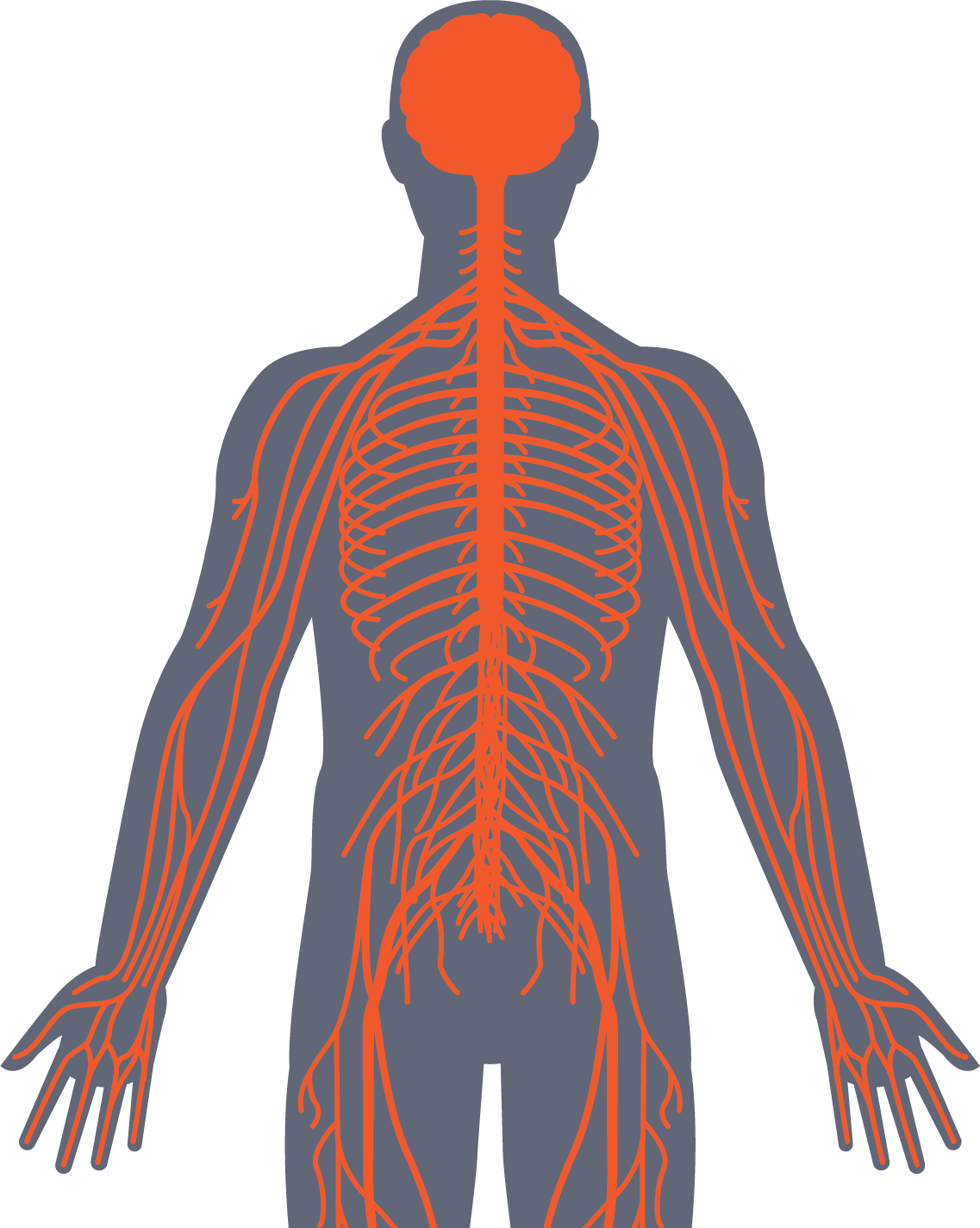
Nerves carry electrical signals between your brain and the rest of your body.
If a nerve is cut or damaged, it can lead to pain, a loss of sensation, or even a loss of movement. Some peripheral nerve injuries can be treated surgically. Recovery varies with the type and severity of injury and the treatment required.
Causes of Nerve Damage
Overuse
Repetitive movements and strains can lead to nerves becoming squeezed by surrounding tissue. These overuse injuries cause the nerve to become inflamed and irritated, leading to pain, numbness, tingling, and weakness in surrounding muscles.
Overuse and compression injuries commonly affect the:
- Wrist (carpal tunnel syndrome)
- Elbow (cubital tunnel syndrome)
- Foot and ankle
Trauma
Traumatic injury can crush, stretch, bruise, or cut nerves.
Common examples of injuries leading to nerve damage include:
- Severe cuts
- Broken or fractured bones
- Gunshot wounds
- Crush injuries
Medical Procedures
Nerves can be inadvertently stretched during surgery or other medical procedures.
Some examples include:
- Mastectomy
- Dental or oral surgery
- Repair of broken or fractured bones
- Total joint replacement
- Hernia repair
Who Can Repair a Damaged Nerve?
Your nervous system extends from your head to your toes and connects with all parts of your body. So there is no single type of surgeon who treats all nerve injuries.
Depending on the specifics of your nerve injury, one or more of the following specialists may be able to help:

Plastic and Reconstructive Surgeons
Many plastic surgeons perform reconstructive surgery to help people to recover from serious traumatic injuries, including nerve injuries.

Ear, Nose and Throat (ENT) Surgeons
May become involved in the treatment of nerve injuries sustained to the neck or face, particularly the reconstruction of areas affected by cancer.

Oral and Maxillofacial Surgeons (OMFS)
Focus on treatments for the jaw and mouth. An OMFS may provide treatment for nerves after an injury sustained to the face or jaw.

Orthopedic Surgeons
Orthopedic surgeons predominantly treat bones, tendons, muscles, and ligaments. Many orthopedic surgeons also repair nerve injuries, particularly in the wrist and hand.

Foot and Ankle Surgeons, or Podiatrists
Trained foot and ankle surgeons and doctors of podiatric medicine often perform nerve surgery in the feet and lower legs, particularly to treat compression injuries or lacerations.

Neurosurgeons
Most frequently called upon for complex nerve injuries close to the spinal cord (such as brachial plexus injuries in the shoulder) or nerve tumors (like schwannomas).
Repair of Damaged Nerves
Nerve repair is performed in an operating theatre, usually under general anaesthesia — meaning you will be asleep during the procedure. Depending on the location of the injury, the surgeon will make an incision to access the damaged nerve, carefully moving aside the surrounding tissue.
The procedure depends on the injury. For a partially or fully severed nerve, the surgeon may remove damaged tissue and repair the nerve ends using very fine sutures, where appropriate. For a compressed nerve, treatment focuses on …relieving the source of pressure, which may involve releasing surrounding tissue or removing scar tissue. After surgery, the affected area may be immobilised to protect the repair while healing begins. You will be monitored in hospital before being discharged. Rehabilitation typically involves physiotherapy and regular check-ins with your care team. Recovery can be gradual as nerves regrow slowly, and it may take some time before you notice improvement.

Seven Questions to Ask Your Surgeon

Is this surgery time-sensitive? What happens if I delay?

What level of function can I realistically expect to regain?

What are the main risks specific to my injury and its location?

When can I expect to notice improvement, and what does a normal recovery look like?

What happens if the repair doesn't work - are there other options?

What should I watch for after surgery?

What does rehabilitation involve, and how long will it last?
Learn More
If you would like more information on nerve injury repair, the following resources may be helpful:
- American Academy of Orthopaedic Surgeons – Nerve Injury in the Hand
- MedLine Plus – Peripheral Nerve Disorders
Disclaimer: This webpage is intended for patients and caregivers and is for educational purposes only. It is not intended to promote or recommend any specific product, treatment, or healthcare provider. It is not intended to provide a diagnosis. Please consult with a healthcare professional for advice on appropriate treatments for your condition.